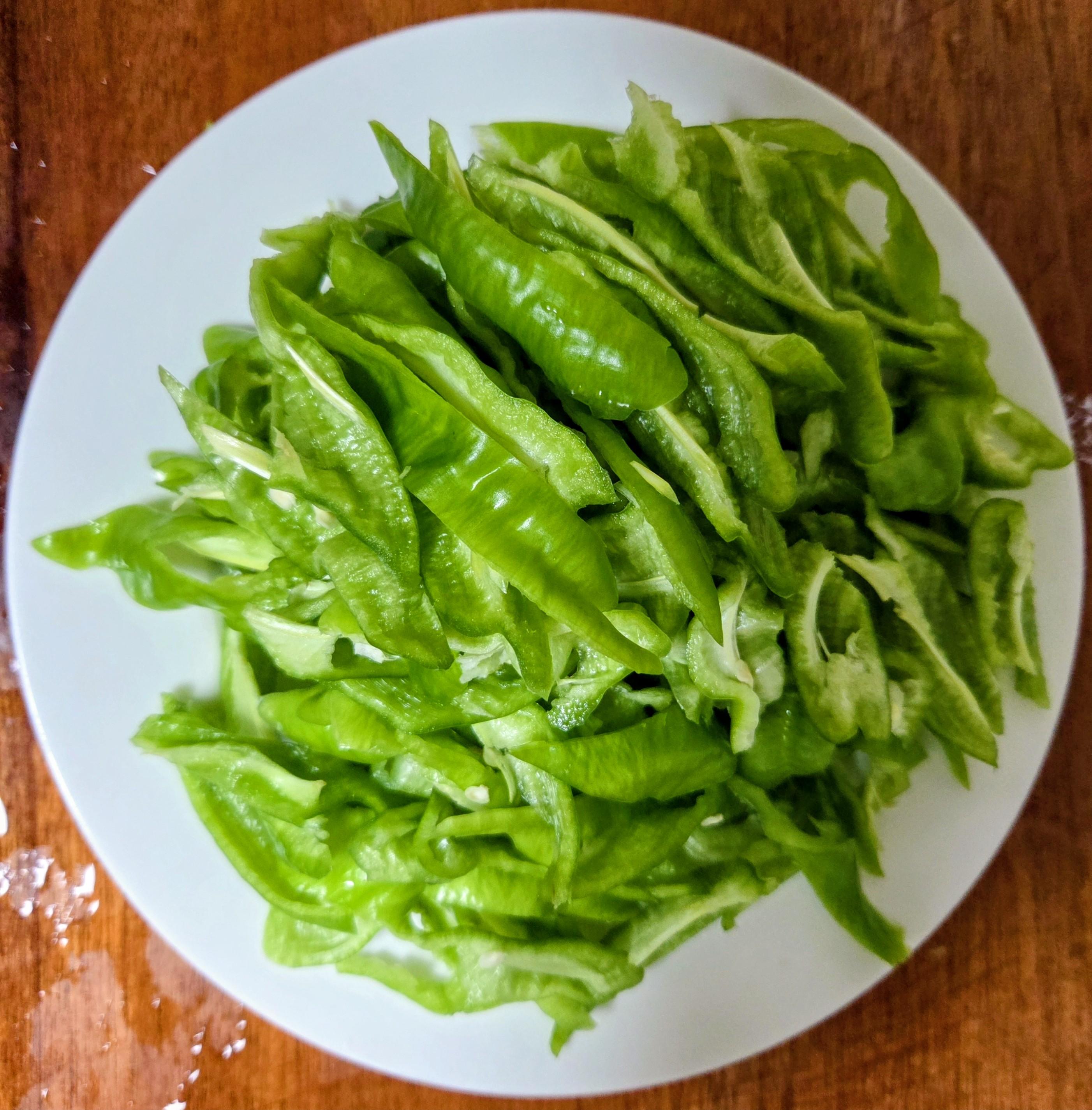
Growing up in Sichuan means measuring seasons by the peppers in the market. At home, the wok was rarely quiet, and a handful of chilies was the quickest way to pull everyone into the kitchen. My wife and kid used to protest, waving chopsticks like white flags, so I dialed down the heat until they got hooked. These days they request this stir-fry by name. The dish is officially Hunan, but in practice it’s a friendly handshake between Sichuan’s smoky depth and Hunan’s clean heat. The heart of it is simple: bright fire, fragrant oil, and a flash of sweetness from good pork.
Ingredients (2–3 servings)
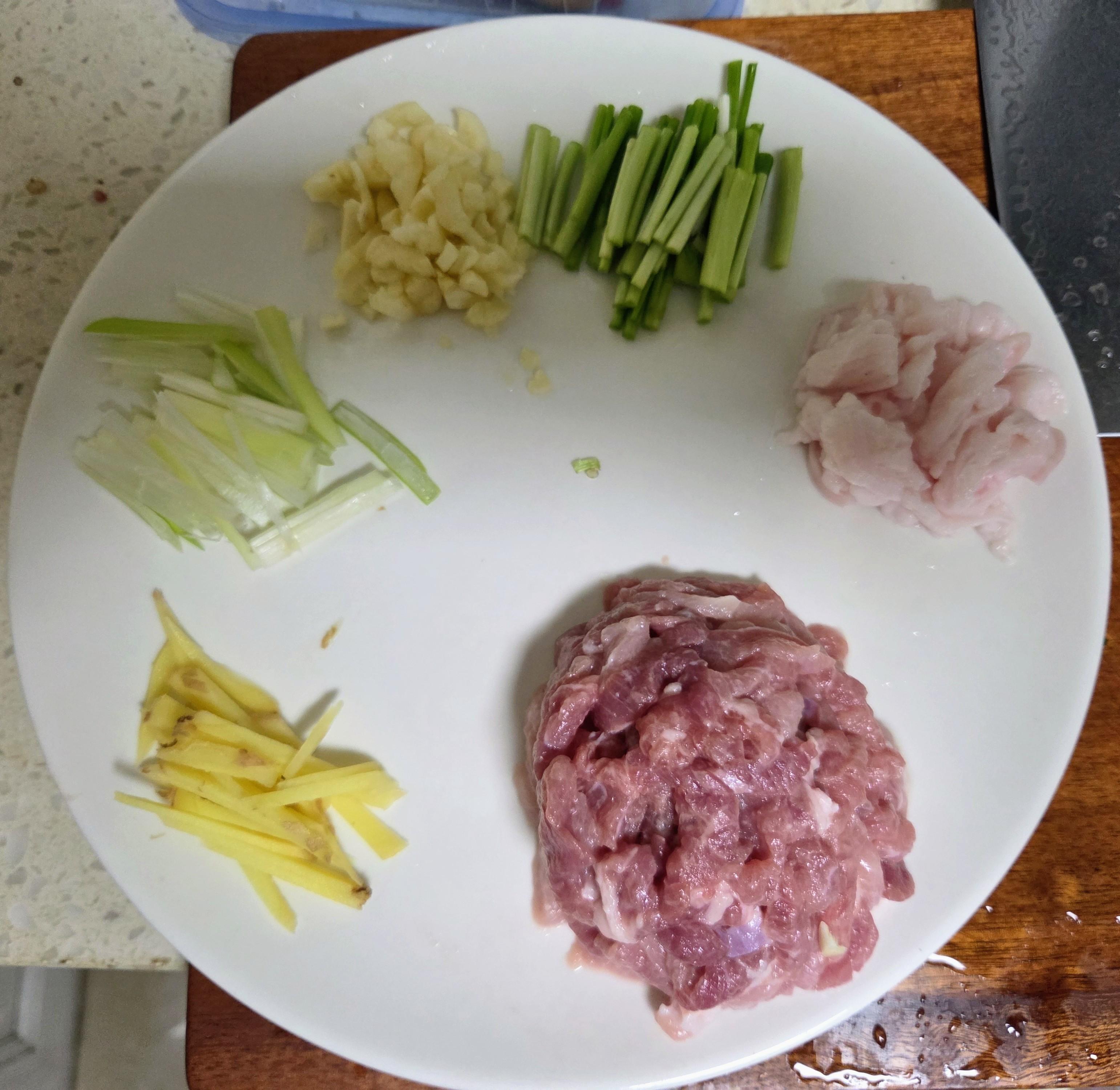
- 300g pork leg with skin
- 150g green chili peppers (mild to medium hot)
- 50g pickled red Erjingtiao chili (adds tang and color)
- 2 cloves garlic
- A thumb-sized piece of ginger
- 2 scallions
- 1 tbsp light soy sauce
- 1 tbsp oyster sauce
- 1 tbsp cooking wine
- 2 tbsp vegetable oil
- Salt and chicken bouillon, to taste
- A spoonful of Pixian doubanjiang (fermented broad bean chili paste)
Cooking Steps
Prep the ingredients
Separate the pork skin and fat, slicing them into thin pieces so they render easily. Cut the lean meat into sturdy strips—if they’re too thin they’ll turn stringy. Season the lean pork with a pinch of salt, a trickle of water, and a veil of starch so it stays juicy.
Trim the chilies on a bias, removing seeds if you prefer a gentler heat. Smash the garlic, slice the ginger and pickled chili, and divide the scallions: chunky pieces for the wok, thin slivers for a final flourish.Sear the pork
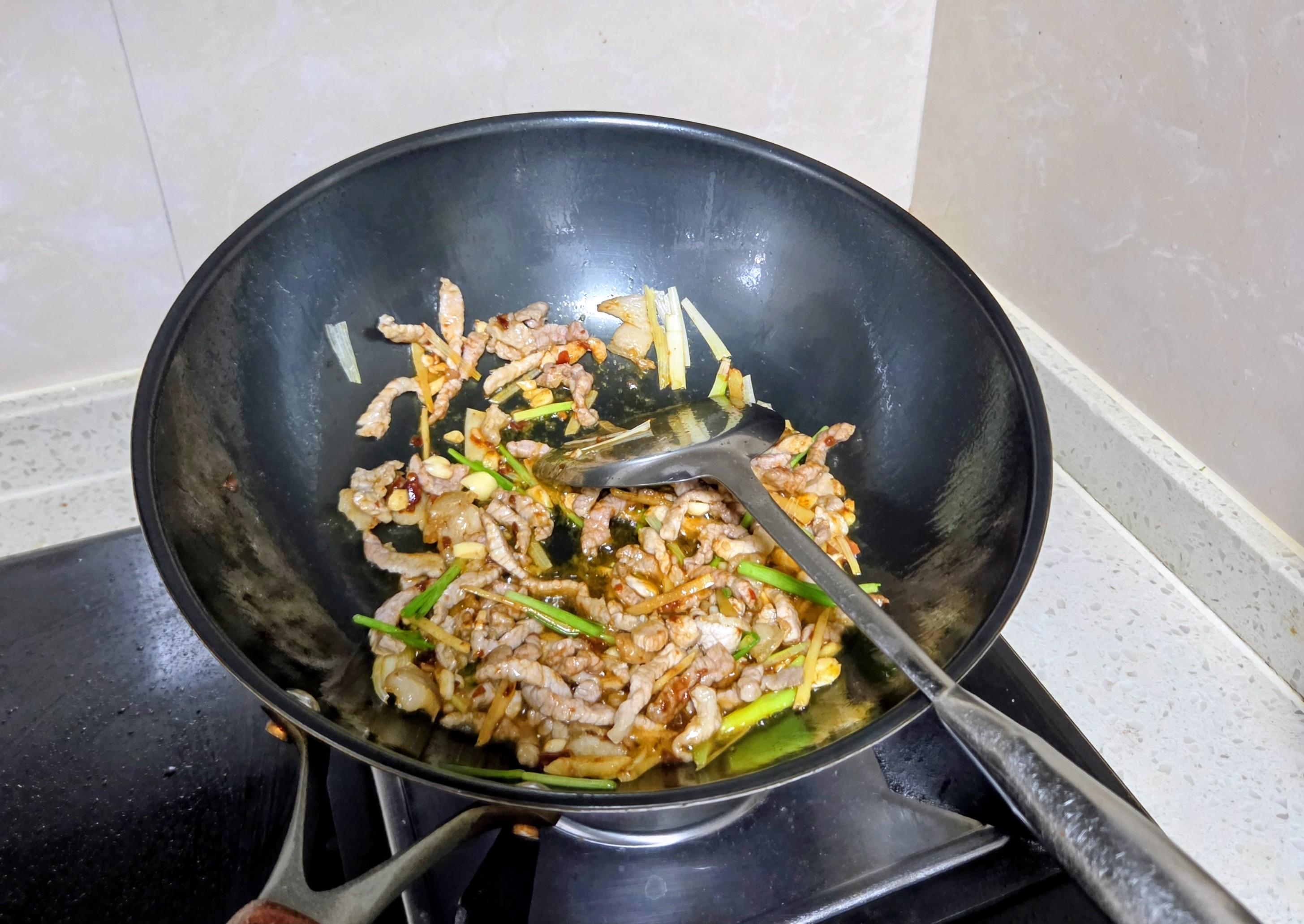
Bring the wok to smoking point, then slick it with oil and slide in the fatty pork. Stir until it turns translucent and renders a fragrant base. Add the marinated lean pork and toss quickly until just shy of cooked; scoop everything out.
In the remaining oil, fry the Pixian doubanjiang until it stains the wok brick-red. Follow with garlic, ginger, scallion chunks, and the pickled chili. When the aroma blooms, return the pork and deglaze with soy sauce and cooking wine. The kitchen should smell like a late-night street stall at this point.
Bring in the chili
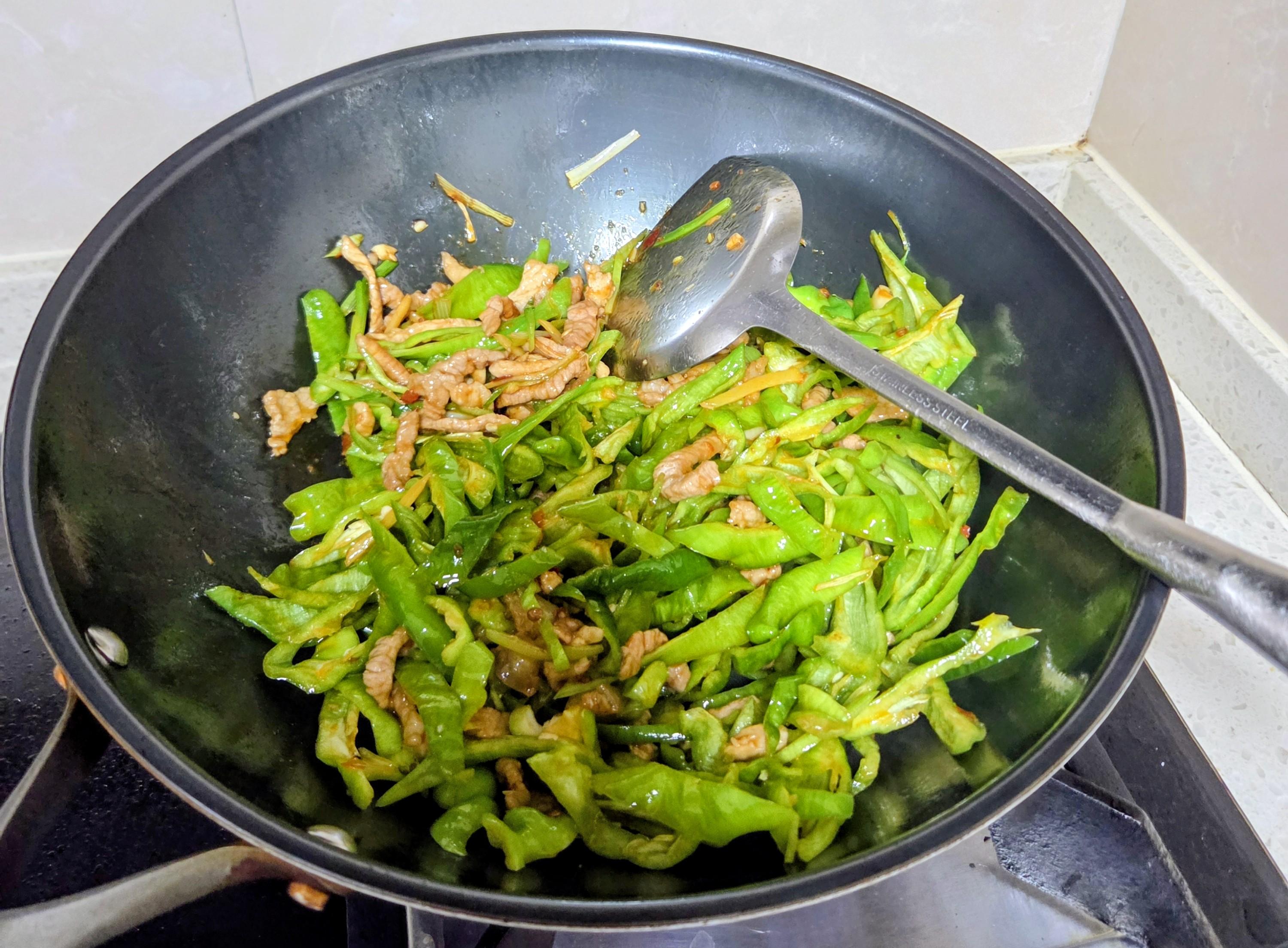
Throw in the green chilies and keep the fire fierce. Stir-fry quickly so they stay bright but lose their raw bite. Brace yourself for the peppery plume that hits the air.Season and finish
Add oyster sauce, adjust with salt and a pinch of chicken bouillon if you like that restaurant gloss. A drizzle of fresh oil gives the dish a lacquered sheen. Toss in the scallion slivers, flip twice, and turn off the heat.Serve and devour
Pile everything onto a warm plate and surround it with white rice. Blink and it will be gone—the best compliment any cook can ask for.
Tips
- Adjust chili type based on your spice tolerance.
- Always fry Pixian doubanjiang until aromatic—never use it raw.
- Have a cold beer or iced tea on standby.
This is sweat, spice, and satisfaction on a plate. Simple, fiery, and absolutely addictive. Try it once, and you’ll understand why it’s a classic.
