Essential Knowledge of Chinese Cooking
Chinese cooking is a language of flame and patience. Recipes are useful, but the real fluency comes from understanding heat, timing, and balance—the grammar behind every stir-fry, braise, or steamed dish. The notes below are my crib sheet when I need to reset my instincts.
The Magic of Beer in Braised Dishes
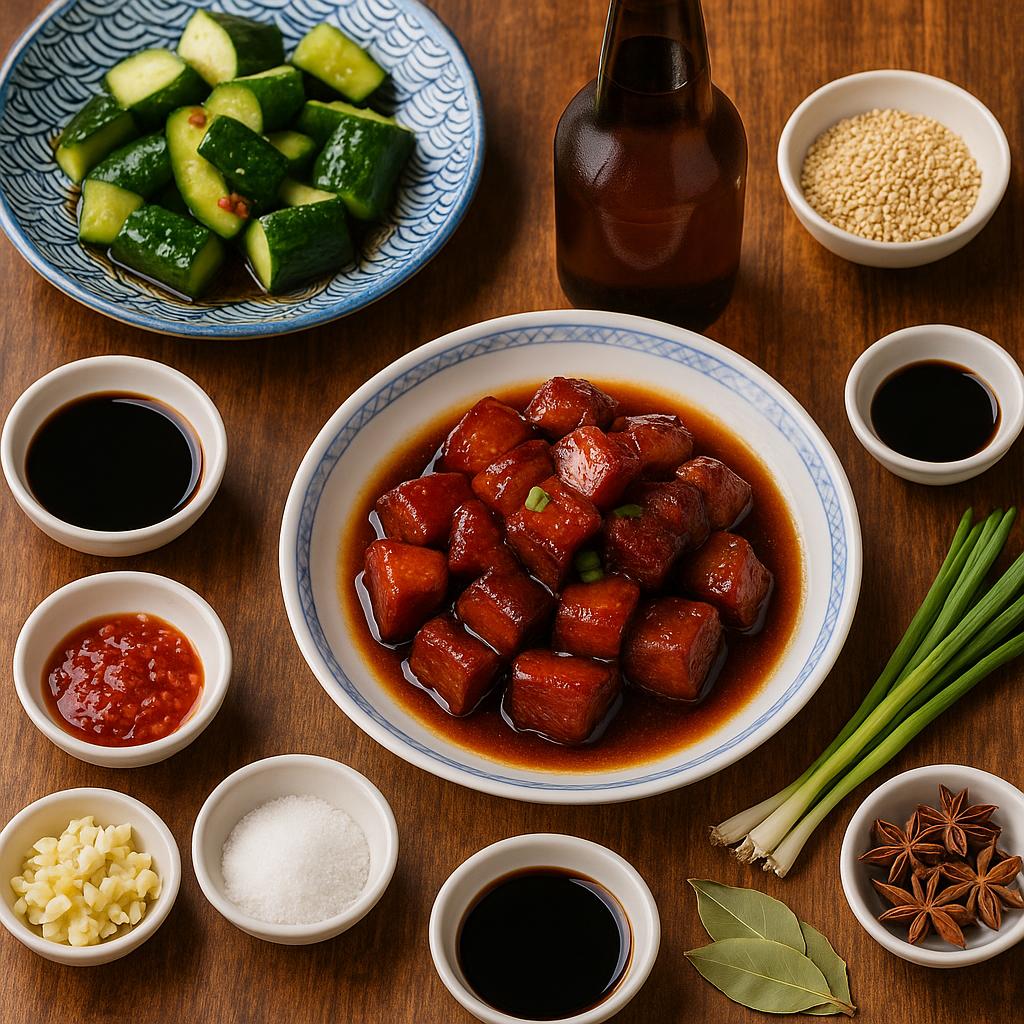
When a chef tips beer into red-braised pork, it’s not a whim. Beer plays three roles at once:
- Odor slayer – Alcohol and hops lift away the raw smell of meat.
- Meat softener – Carbonation and alcohol loosen muscle fibers, so the meat relaxes.
- Flavor booster – Malt sugars darken and sweeten as they cook, deepening the sauce.
One pour and the kitchen changes character—suddenly it smells like a holiday meal is on the way.
Why Drizzle Bright Oil (明油)?
The final drizzle of bright oil (明油) isn’t just for show.
- Gloss: It makes a dish look alive, catching light on the way to the table.
- Seal: It forms a thin film that traps aroma, keeping each bite fragrant.
When to Add What: The Golden Rules
Stir-Fry (Quick Fireworks)
- Opening act: Garlic, ginger, chili—aromatics must hit hot oil to release their perfume.
- Middle section: Soy sauce, sugar, bean pastes—the body of the dish.
- Curtain call: Vinegar, sesame oil, pepper—light touches that evaporate if added too soon.
Braise & Stew (Slow Drama)
- Opening act: Spices such as star anise, cinnamon, bay leaves—they need time to bloom.
- Middle section: Soy sauce, cooking wine, sugar—the foundation of the broth.
- Curtain call: Salt, vinegar, sesame oil—they lose sparkle if simmered for hours.
Rule of thumb: Let the sturdy ingredients take the heat; treat the delicate ones gently.
Meet the Condiments
- Vinegar: Provides snap and cuts odors—save it for the end.
- Cooking wine: Goes in early to tame raw smells.
- Oyster sauce: A sweet-salty umami hug, best added midstream or near the finish.
- Sesame oil: A nutty perfume—always drizzle at the end.
- Light soy sauce: Adds salt and a gentle amber color.
- Dark soy sauce: Stains dishes mahogany without adding much salt.
- Doubanjiang: Sichuan’s heartbeat; fry it early to release its red oil.
MSG vs Chicken Powder
- MSG: The pure scientist – just umami, no nonsense.
- Chicken Powder: The extrovert – umami plus salt, sugar, and chicken notes.
- Rule: Don’t use both; they fight for attention. Always sprinkle near the end.
Pickled Chili vs Roasted Ginger
- Pickled Chili (Erjingtiao): Sour, spicy, and bold – the rock star of Sichuan cold and hot dishes.
- Roasted Ginger (炮姜): Warm, mellow heat – the wise old monk, perfect for braises and herbal soups.
Spice Cabinet Essentials
- Bay leaf: Gentle and green, especially good with beef or lamb.
- Star anise: Sweetly floral, the soul of red-braised pork.
- Cinnamon bark: Warm, slightly sweet, excellent at taming “muttony” aromas.
- Tsaoko (草果): Bitter-spicy and bold; the heavy artillery for beef and lamb.
- Fennel seed: Licorice notes that make dumplings and lamb fillings sing.
- Clove: Powerful; use a pinch or it steals the show.
- Amomum (砂仁): Peppery freshness for soups and slow stews.
- Dried tangerine peel (陈皮): Citrus lift that cuts through rich sauces, a Cantonese favorite.
Cold Dishes: The Zen of Simplicity
Take cucumber salad as the ultimate example:
- Smash cucumbers, salt them, and let the water weep out.
- Stir together garlic, soy sauce, sugar, and vinegar.
- Heat oil until it shimmers, pour it over chili and pepper flakes, then mix everything.
- Serve immediately—crispness doesn’t linger.
General law: Sour + sweet + salty + spicy + fresh + fragrant = harmony.
How to Master Chinese Cooking
- Knife skills: Precision cutting sets the texture before heat touches the food.
- Heat control: Wok hei is equal parts flame and timing.
- Kitchen chemistry: Maillard browning, caramelization, protein denaturing—know what’s happening in the pan.
- Style fluency: Stir-fry, braise, steam, roast—each has its own rhythm.
- Read the masters:
- Harold McGee, On Food and Cooking
- J. Kenji López-Alt, The Food Lab
- Practice, taste, adjust: Every attempt teaches something, especially the flawed ones.
Chinese cooking is a game of balance: hot with cold, sour with sweet, richness with lightness. Once those instincts settle in, the wok feels less like equipment and more like an orchestra waiting for its cue.