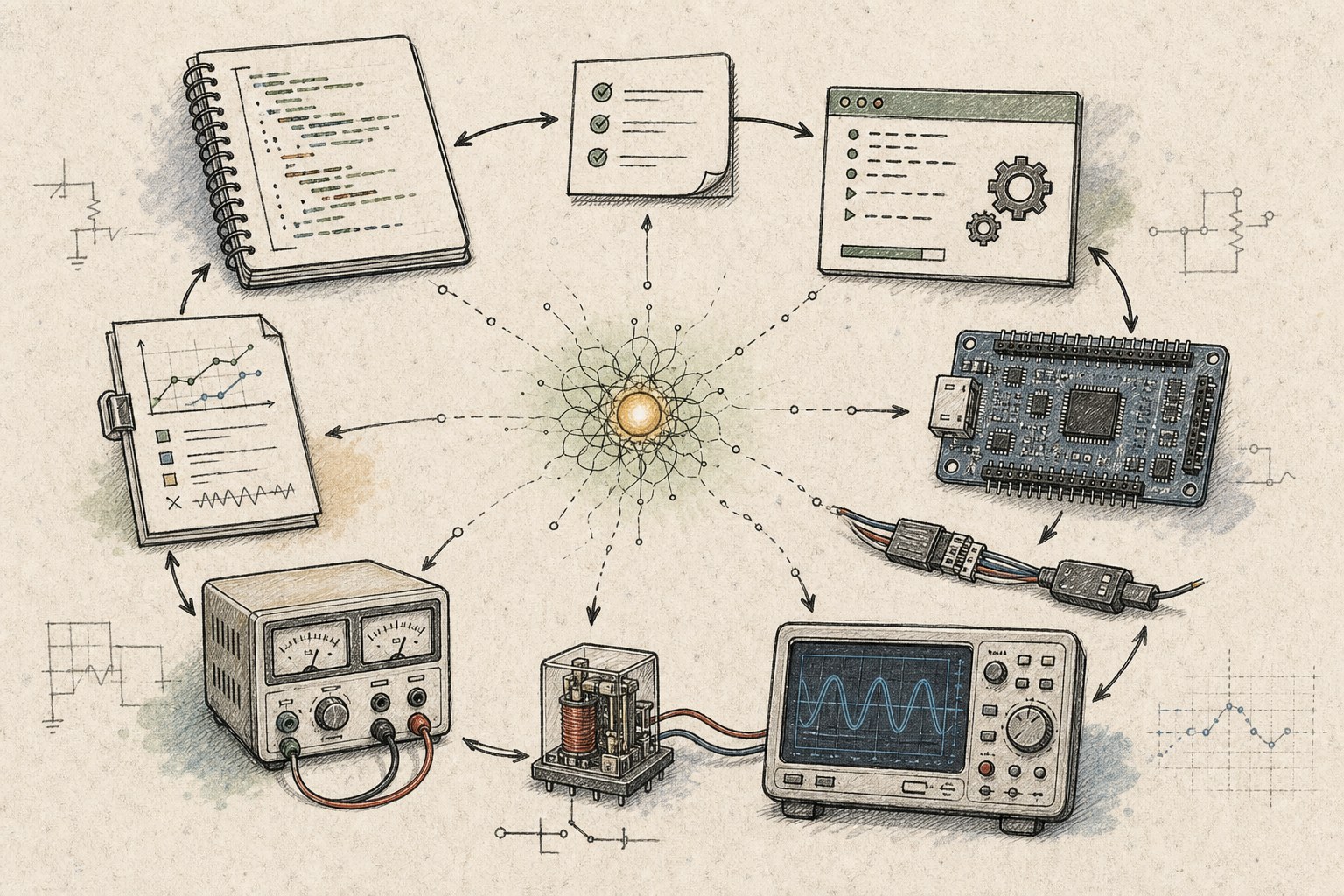
The Model Will Eat Your Wrapper. Build the Harness.
Why the durable advantage in AI-assisted embedded development is not another agent wrapper, but a project-level harness that connects knowledge, proven workflows, tools, and real hardware.
Why the durable advantage in AI-assisted embedded development is not another agent wrapper, but a project-level harness that connects knowledge, proven workflows, tools, and real hardware.
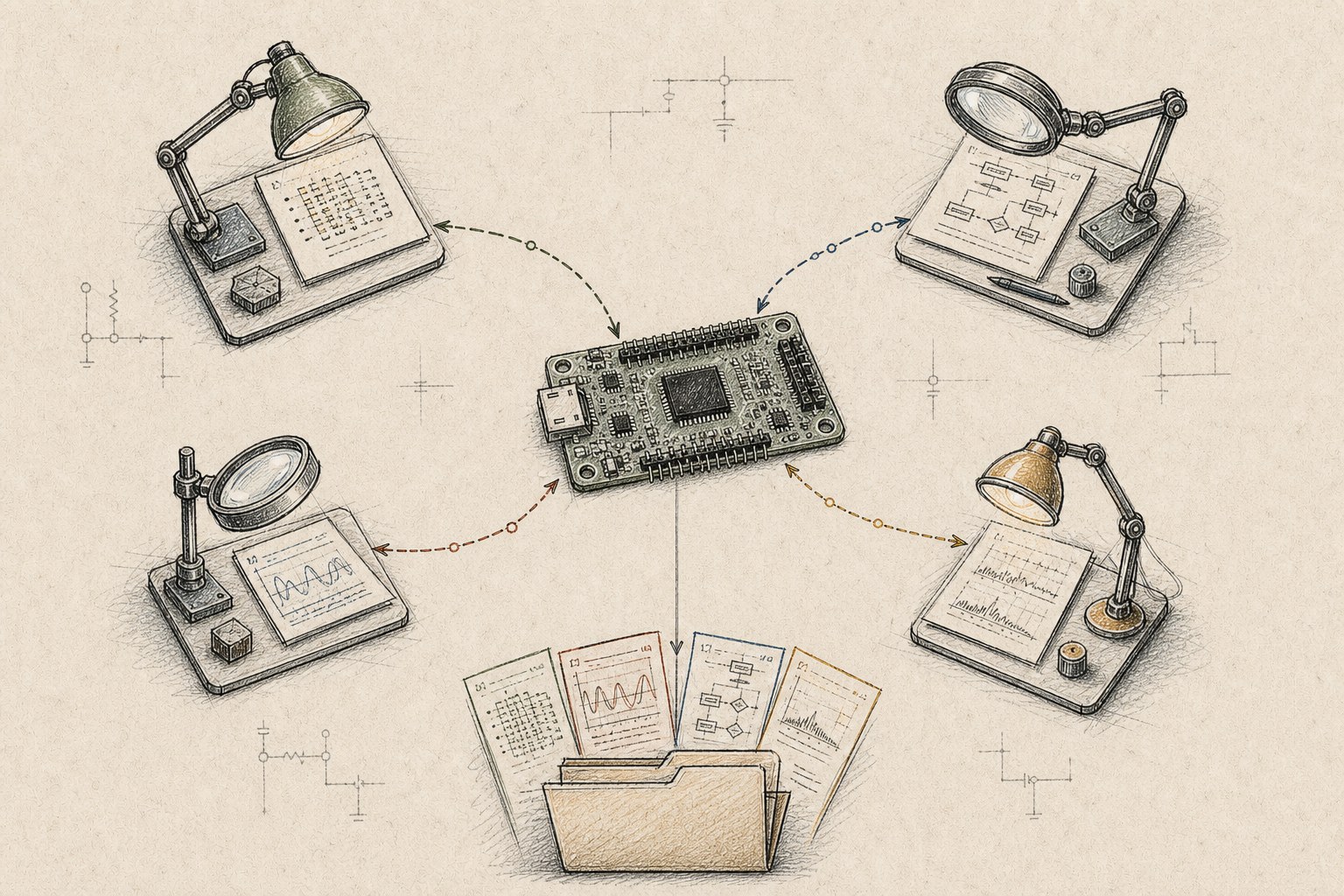
How I run four genuinely independent AI firmware reviews, validate every report, and reconcile evidence without turning the result into a popularity contest.
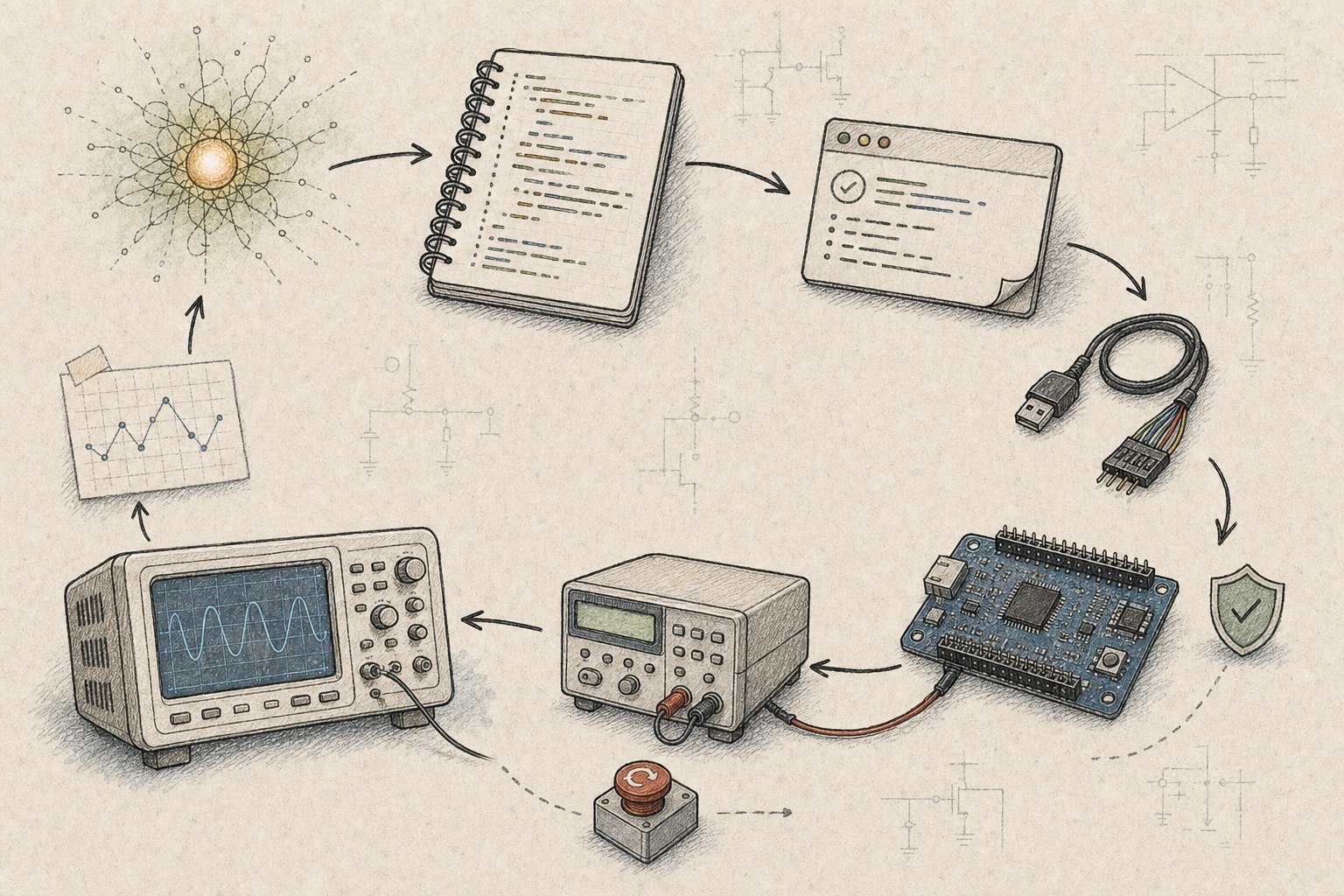
What it takes to let an AI agent move beyond code generation and close a bounded firmware loop through build tools, programmable instruments, and physical evidence.
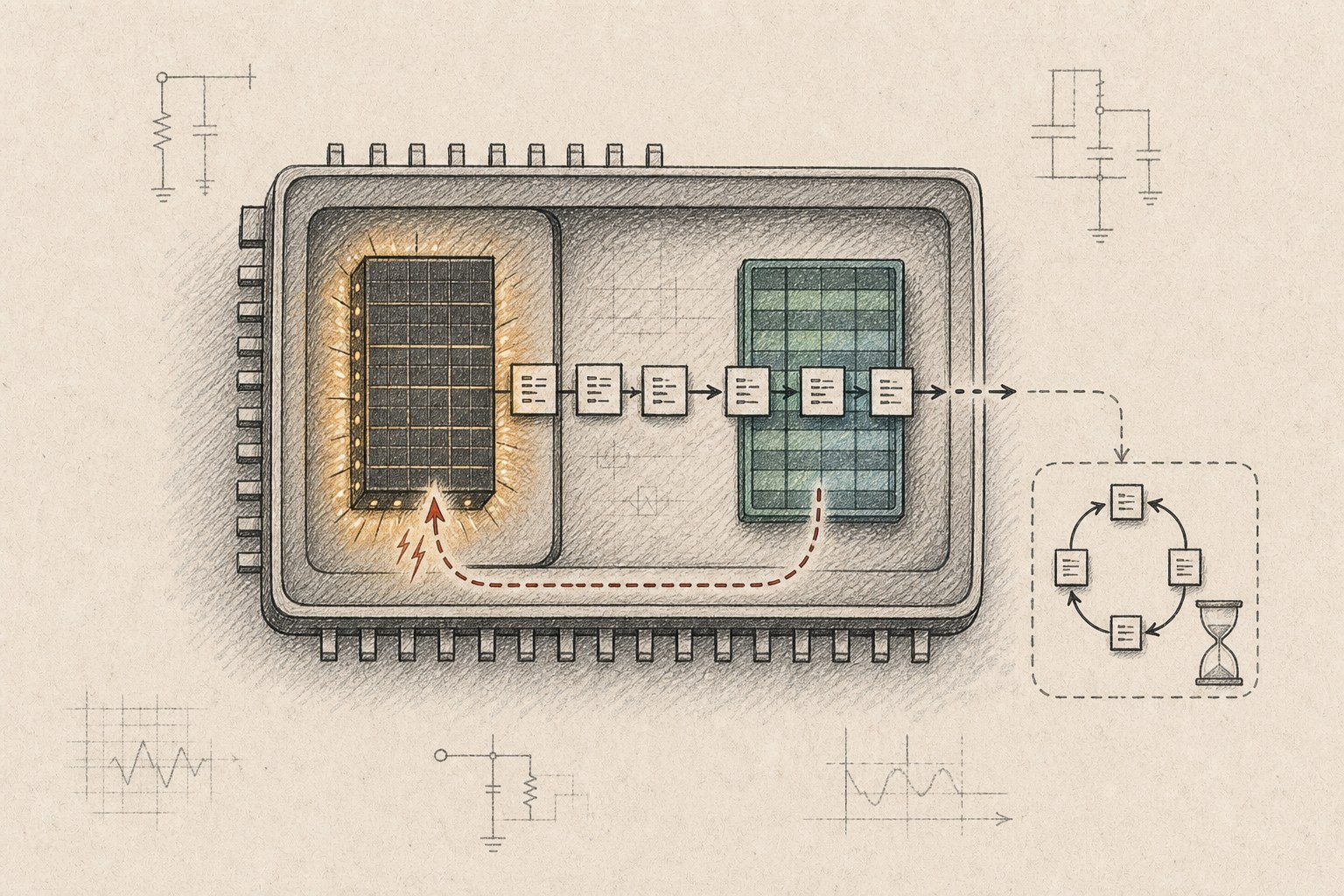
Why placing a Flash-IAP function in .ramfunc is only the beginning, and how to verify that its complete execution path survives while Flash is busy.
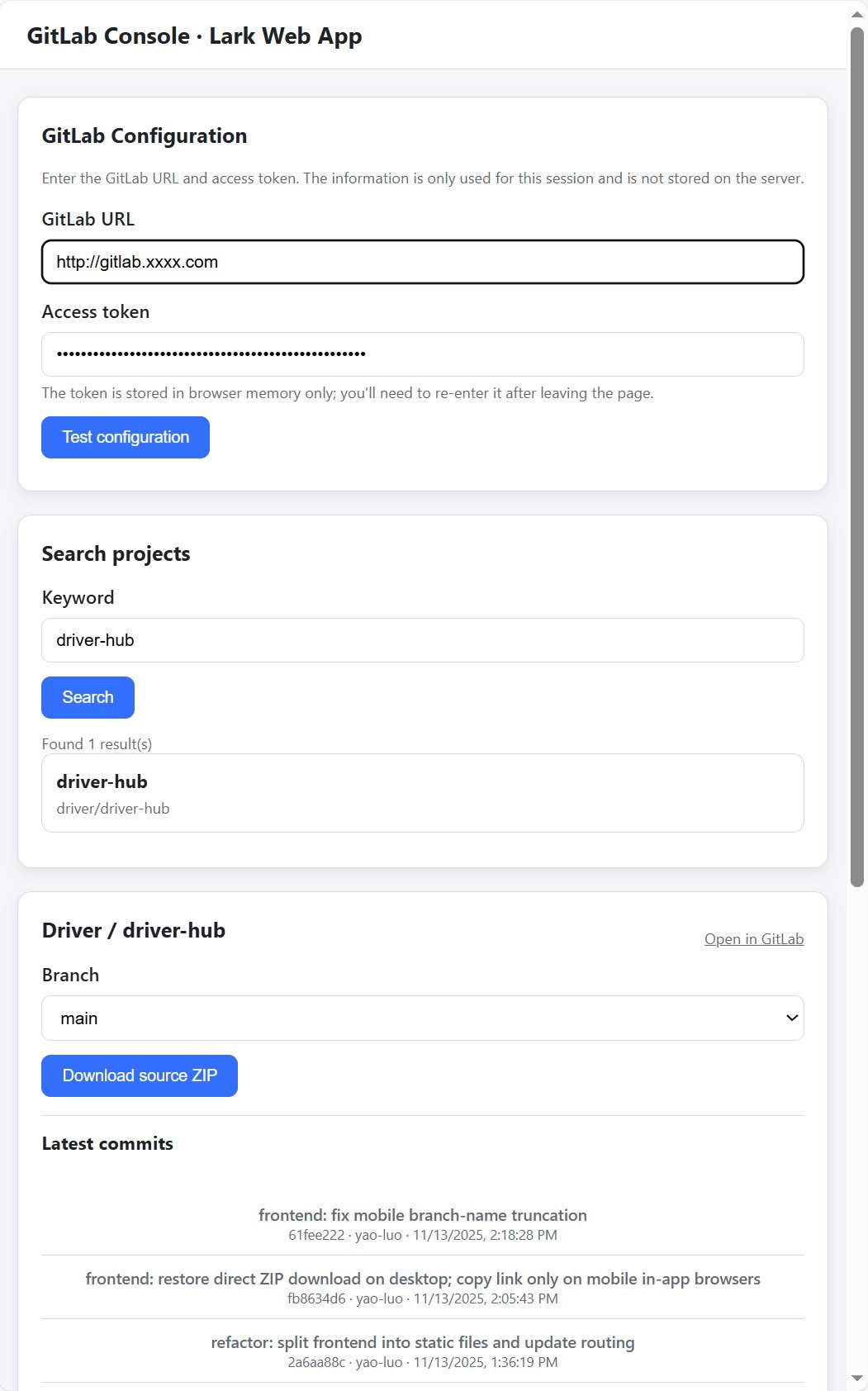
How I built a focused Feishu web app for searching GitLab projects, browsing branches and commits, and downloading source archives.
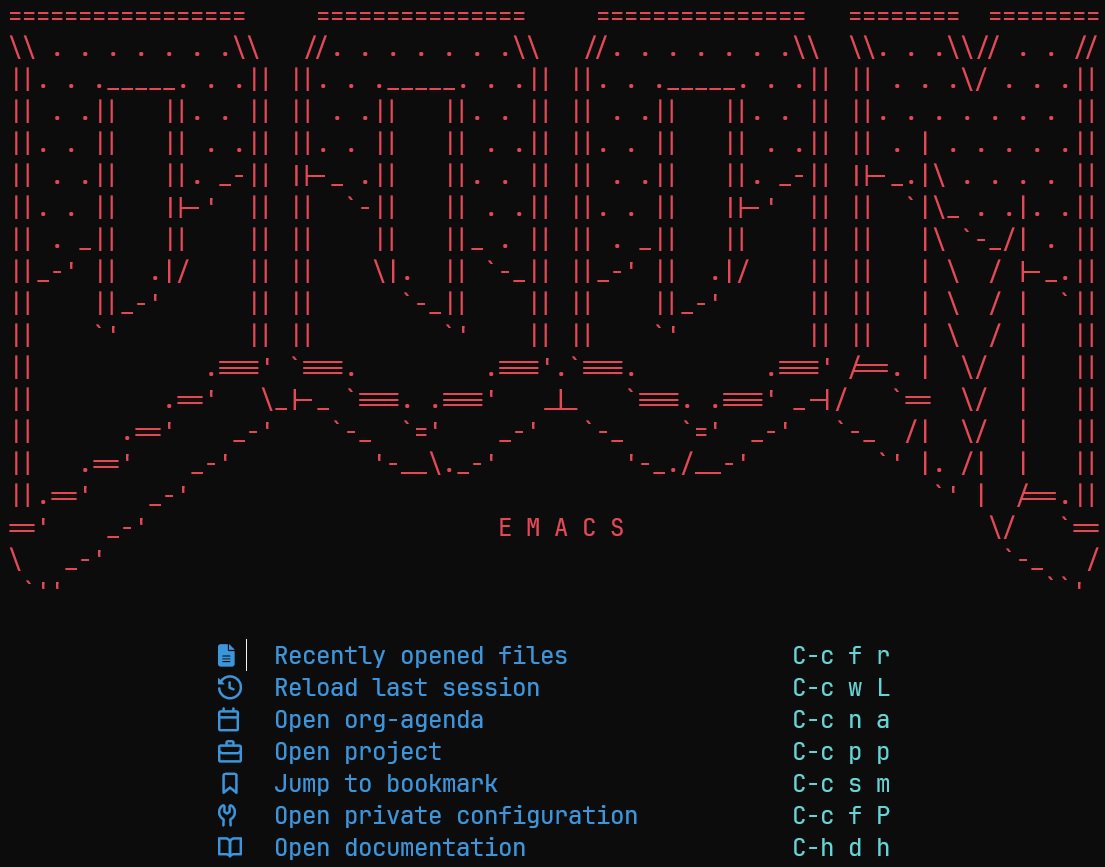
Why Nerd Font icons garble in Doom Emacs under MSYS2/MinGW64 in Windows Terminal, and how to fix it with UTF-8 code pages and font setup.
A reproducible Windows 10 Pro 22H2 workstation setup for cross-platform development: zsh, PowerShell, Doom Emacs, MicroPython, Windows Terminal, and proxy-friendly package mirrors.
Packaging firmware as a frozen ROM image plus symbol export, and linking applications against it with GNU ld –just-symbols or Keil –symdefs.
A practical Makefile tutorial: targets, variables, pattern rules, and the command-line flags you actually use day to day.
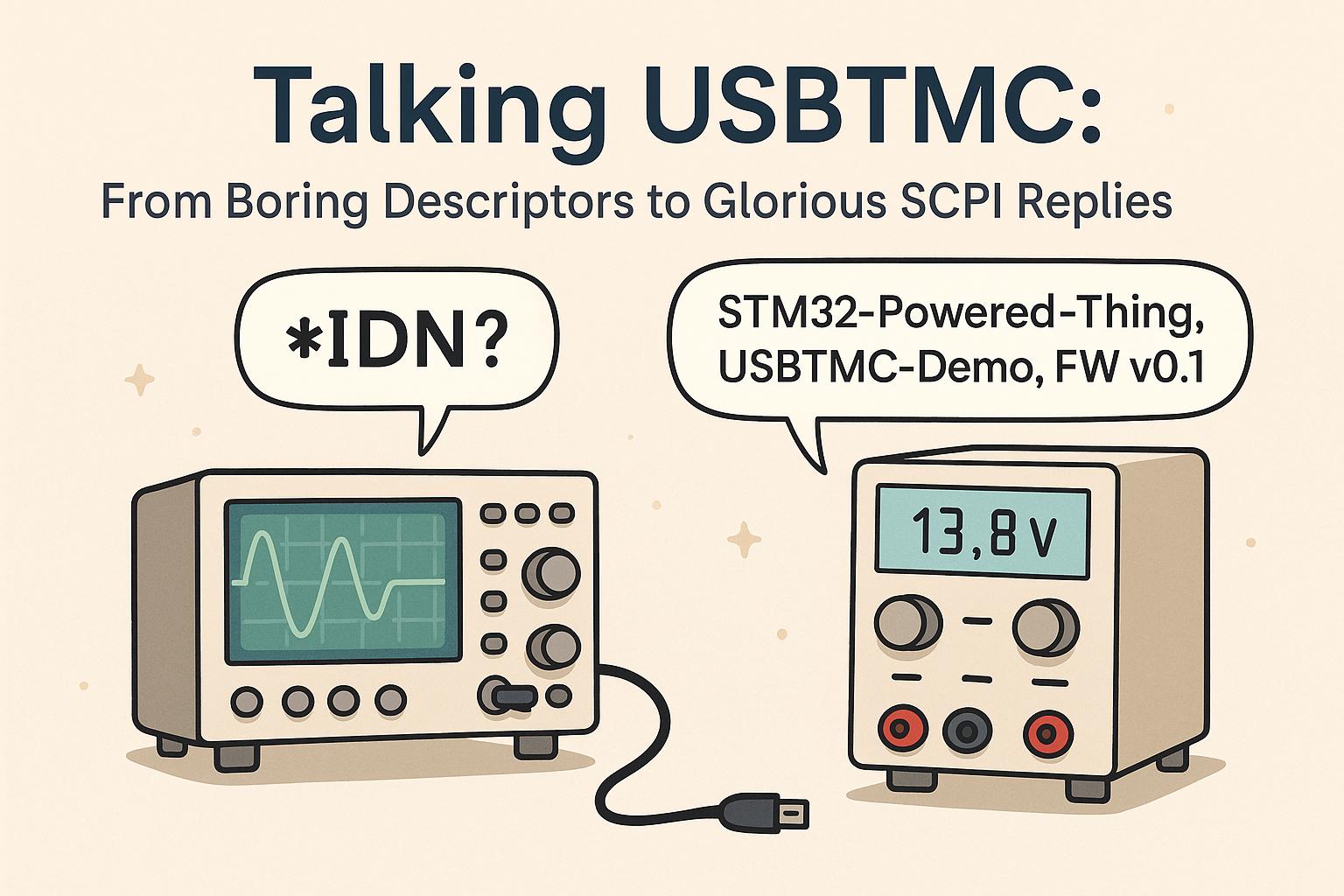
How USBTMC works under the hood — descriptors, endpoints, and message framing — plus getting a device to answer SCPI commands like *IDN?.